
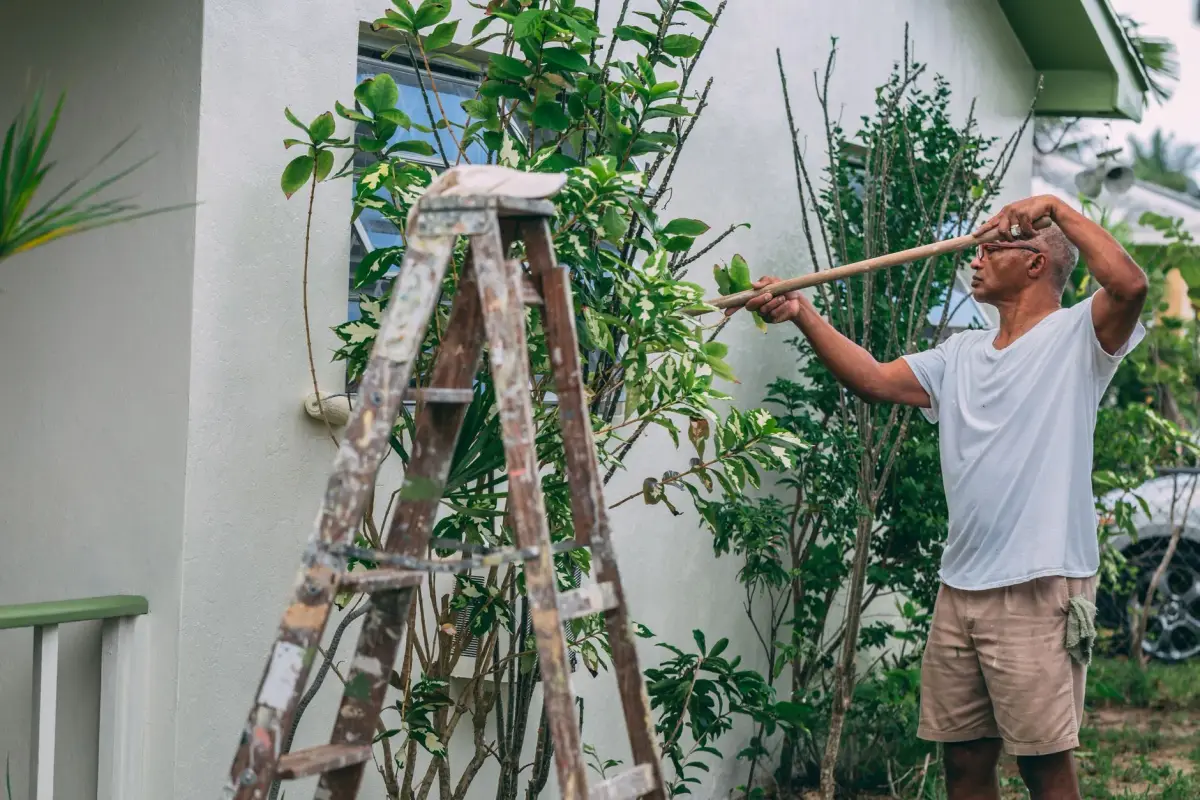
Exterior Painting in East Hampton, NY
Repaints built to hold up against salt air, sun, and coastal humidity — not just look good on day one.
Why Exterior Prep Matters More Here
Salt-laden air off the ocean and bays speeds up every exterior paint failure mode — peeling, blistering, and chalking all show up faster on a house that catches ocean wind than one set back and sheltered. UV exposure through long summer days adds to it, fading color and breaking down paint film even where salt isn't the main factor.
That's why we treat prep as the real work: scraping failing paint back to a sound edge, sanding rough spots smooth, spot-priming any bare wood, and re-caulking gaps at trim joints and window frames before a drop of finish paint goes on. Skipping any of that step is the most common reason an exterior paint job fails early — and it's not visible until the peeling starts.
Signs Your Exterior Needs Attention
- Peeling or blistering paint, especially on sides that face the water or direct sun
- Bare wood showing through on trim, fascia, or siding
- Chalky residue that rubs off on your hand when you touch the siding
- Cracked or missing caulk at window frames and trim joints — an entry point for water
- Faded, uneven color compared to when the house was last painted
Our Process
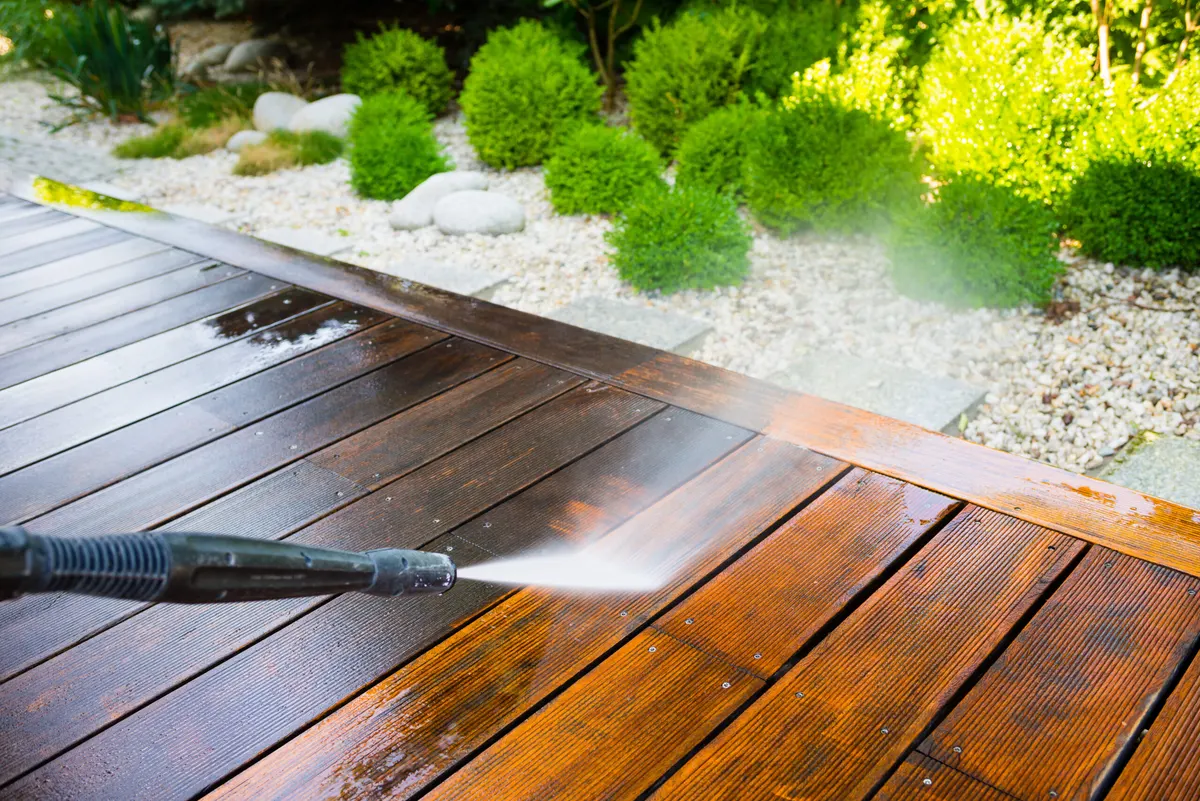
- Wash & inspect — surfaces cleaned and checked for wood damage, loose trim, and failing paint.
- Scrape & sand — failing paint removed back to a sound, feathered edge.
- Repair — any damaged or rotted wood addressed before painting continues.
- Prime & caulk — bare wood spot-primed, gaps at trim and joints re-caulked.
- Two coats, weather-permitting — applied within the temperature and humidity range the paint manufacturer specifies for proper cure.
What Affects the Price
- Square footage and stories — more surface area and height both add labor and equipment needs.
- Siding material — cedar shake generally takes more prep labor than vinyl or clapboard.
- Condition and prep needed — a house with failing paint and wood repair costs more than routine maintenance.
- Trim complexity — heavily detailed trim, shutters, and railings add time.
Exterior Painting Across the East End
Salt exposure is most aggressive closest to the water, which makes exterior repaints one of our most requested jobs in Montauk and Amagansett, alongside routine work throughout East Hampton.
Frequently Asked Questions
When is the best time of year for exterior painting?
How long does an exterior paint job last out here?
Do you paint cedar shake siding differently than clapboard or vinyl?
What happens if weather delays the job partway through?
Do you paint trim, shutters, and doors as part of an exterior job?
Exterior Showing Its Age?
Call for a free estimate before the next paint failure starts.